Bishops Park upholstery cleaning Fulham homes: a practical guide to cleaner, fresher seating and fabric care
If you live near Bishops Park, you already know how quickly everyday life leaves its mark on sofas, armchairs, dining chairs, and occasional stools. A spilled tea, a bit of muddy traffic from the park, a pet hair build-up, or just regular family use can make upholstery look tired before the furniture itself is anywhere near ready to be replaced. That is where Bishops Park upholstery cleaning Fulham homes becomes genuinely useful: it restores the look, feel, and hygiene of fabric furniture without the hassle of buying new pieces or living with stains you keep pretending not to notice.
This guide walks through what upholstery cleaning involves, how the process works in real homes, which fabrics need extra care, and how to decide when a professional clean is the sensible option. You will also find practical tips, a comparison table, a checklist, and answers to the questions people usually ask when they are trying to make a good decision. No fluff. Just the useful stuff, really.
Why Bishops Park upholstery cleaning Fulham homes Matters
Upholstery is one of those parts of the home that gets used constantly and cleaned far less often than it should. A sofa is where people eat crisps they swore they would not eat on the sofa, where children bounce with shoes on, where pets curl up after a walk, and where guests always seem to sit when you have just been thinking, we really should sort that stain out. In Bishops Park and across Fulham homes, this matters because a neat-looking room can still feel shabby if the main seating is dull, marked, or holding onto odours.
There is also a practical side. Fabric and cushioning naturally trap dust, skin flakes, pollen, pet hair, and everyday grime. Over time, that build-up can affect how the furniture looks and smells. Even if the upholstery is not visibly dirty, it may still be overdue for a deep clean. That is especially true in busy family homes, rental properties, and homes that host frequent visitors.
From a local perspective, homes around Bishops Park often balance active living with good presentation. People want interiors that feel lived-in but not neglected. Upholstery cleaning supports that balance. It helps a room feel fresh without making it look overdone or showroom-perfect, which, to be fair, most real homes are not and never will be.
It also protects the value of the furniture. A quality sofa or dining chair set is expensive to replace, so routine care is a sensible way to extend its life. If you already keep on top of carpet cleaning and regular domestic cleaning, upholstery care is the natural next step. The whole room benefits.
How Bishops Park upholstery cleaning Fulham homes Works
Good upholstery cleaning starts with identifying the fabric, the stains, and the construction of the furniture. That sounds obvious, but it is where rushed jobs often go wrong. Not every sofa should be treated the same way. A cotton blend, a synthetic fabric, a velvet chair, and a delicate natural fibre all respond differently to moisture, heat, and cleaning agents.
In a typical professional clean, the process often looks something like this:
- Inspection - The cleaner checks the fabric type, existing wear, stain locations, seams, and any labels or care codes.
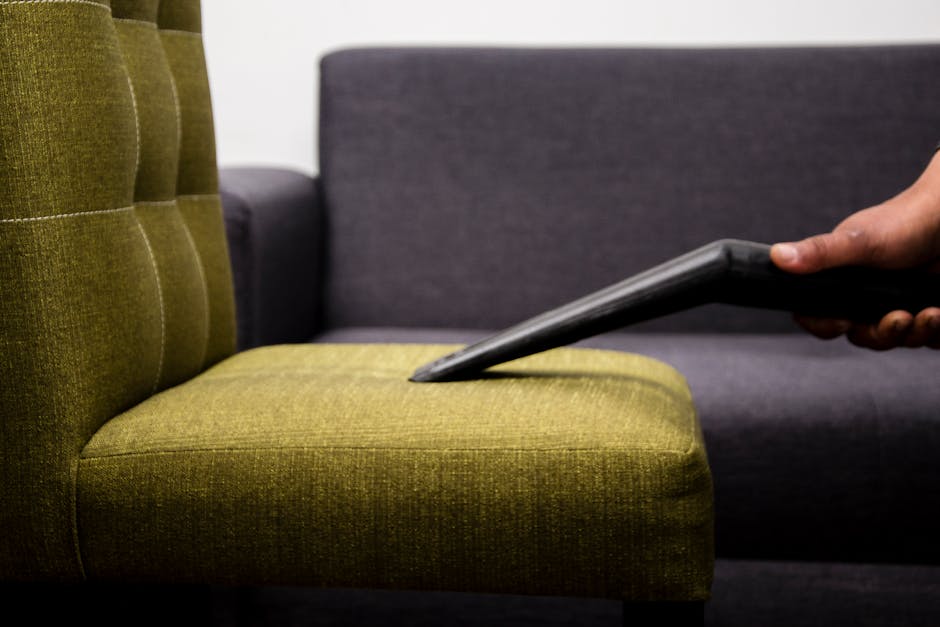
- Dry soil removal - Loose dirt, crumbs, dust, and pet hair are removed first so they do not turn into muddy residue later.
- Spot treatment - Specific stains are treated with suitable products, not a one-size-fits-all solution. Ink, food, grease, and drink spills each behave differently.
- Main clean - Depending on the material, this may involve low-moisture cleaning, hot water extraction, or carefully controlled hand cleaning.
- Rinse or neutralise - Any remaining cleaning residue is removed or balanced so the fabric does not feel sticky or attract dirt too quickly.
- Drying and finishing - The fabric is groomed, checked, and left to dry properly, with ventilation encouraged where needed.
That is the short version. In reality, a careful cleaner is constantly adjusting for fabric type, room temperature, and how much moisture the furniture can safely handle. Not exactly glamorous work, but it matters. A rushed clean can leave water marks, texture changes, or a strange stiff patch that catches the light in a very unhelpful way.
If the home has a lot of mixed cleaning needs, it can make sense to combine upholstery care with a broader service such as deep cleaning or even one-off cleaning for a reset that covers the most visible surfaces in one visit.
Key Benefits and Practical Advantages
The most obvious benefit is appearance. Clean upholstery simply looks better. Colours appear brighter, the fabric looks more even, and a room feels more cared for. But the practical gains go beyond looks.
- Better comfort - Fabric that has been properly cleaned often feels fresher to sit on.
- Reduced odours - Everyday smells from food, pets, and general use can settle into soft furnishings.
- Longer furniture life - Removing abrasive dirt helps reduce wear on fibres over time.
- Improved hygiene - Dust and allergens can build up in cushions and armrests.
- Better presentation - Useful for family homes, rental homes, and properties being prepared for viewing.
- Smarter spending - Cleaning is often more economical than replacing a sofa or set of chairs.
There is a subtle benefit too. When your seating looks fresh, the whole room tends to feel more settled. People notice it, even if they do not say so. You notice it. The room stops shouting at you a little every time you walk in.
For homes where upholstery is one piece of a larger upkeep plan, services like sofa cleaning and rug cleaning can be especially useful because they address the soft furnishings that carry the most visible wear.
Who This Is For and When It Makes Sense
Bishops Park upholstery cleaning is not just for obviously dirty sofas. It makes sense for a wide range of households, and the trigger is not always a dramatic stain. Sometimes it is just the sense that a piece has lost its freshness.
This service tends to suit:
- families with children or pets
- busy professional households with limited time for deep cleaning
- homeowners preparing for guests, a party, or a property sale
- landlords wanting furniture to present well between tenancies
- tenants trying to leave a property in a tidy condition
- anyone with allergy concerns who wants to reduce visible and embedded dirt
It also makes sense after a home improvement project, especially when fabric furniture has picked up a fine layer of dust. In those cases, upholstery care can sit neatly alongside after builders cleaning. That combination is more common than people think. Renovation dust has a knack for getting into everything, even the spots you were sure were sealed shut.
A good rule of thumb: if the furniture is structurally fine but visually tired, cleaning is worth considering. If the fabric is torn, badly frayed, or severely degraded, cleaning may improve appearance but will not reverse damage. Honest expectations matter here.
Step-by-Step Guidance
If you want to understand what a sensible upholstery cleaning appointment looks like, it helps to break it down into clear stages. That way you know what to expect and where problems usually start.
- Identify the furniture and fabric
Check the material type and any care label. If a care code is present, it gives a useful clue about moisture tolerance and cleaning method. - Remove loose debris
Vacuum cushions, seams, and edges carefully. Don't forget the crack between the seat and armrest; that tiny gap seems to store an entire biscuit economy. - Test before treating
A cleaner should test products on a less visible area to make sure the fabric reacts well. - Treat stains individually
Grease, drink spills, mud, and makeup require different products and techniques. One product for everything is usually a mistake. - Clean using the right moisture level
Some fabrics can handle extraction; others need lower moisture or hand cleaning to protect texture and colour. - Work through cushions and contact points
Armrests, headrests, and seat fronts usually carry the most dirt because they get the most contact. - Rinse or extract residue
This helps prevent the fabric from feeling sticky or attracting dirt too soon after cleaning. - Support drying
Open windows if possible, keep air moving, and avoid heavy use until the fabric is fully dry.
In a family home, a small patch clean on a Friday afternoon can be enough for a quick refresh. For older seating or very visible staining, a full professional clean is usually the wiser route. Sometimes the middle ground is perfect. Sometimes it is not. Depends on the sofa, really.
Expert Tips for Better Results
The best upholstery cleaning results usually come from simple preparation and realistic expectations. Here are the things that genuinely help.
- Act early on spills - Fresh stains are easier to manage than old, set-in marks.
- Blot, don't rub - Rubbing pushes the stain deeper and can rough up fibres.
- Vacuum regularly - A quick weekly vacuum reduces grit and dust accumulation.
- Keep food and drinks in check - Hard to do every day, yes, but even small habits help.
- Use throws wisely - Good for protecting high-wear areas, especially on pale fabrics.
- Ventilate the room - Better airflow helps with drying and reduces that damp-clean smell some people dislike.
- Ask about fabric-specific methods - Especially with velvet, linen blends, wool, or antique pieces.
If you are comparing broader home services, it can be helpful to look at a provider that also covers cleaning company standards, not just the cleaning itself. In plain English, that means checking whether they explain their methods clearly, use appropriate care, and set out what happens if something is unusual or delicate.
One small but useful tip: before the appointment, take a few phone photos of the sofa from different angles. If there is a stubborn mark or wear patch, you can point to it easily. Saves time. Also saves the awkward, "it was right there, honestly" conversation.
Common Mistakes to Avoid
Most upholstery problems after cleaning come from enthusiasm rather than bad intentions. People want the fabric clean quickly, and they reach for a strong product or too much water. That is usually where things go sideways.
- Using the wrong product on the wrong fabric - Delicate materials can react badly to harsh chemicals.
- Over-wetting the fabric - Too much moisture can leave rings, prolong drying, or affect padding underneath.
- Skipping a test patch - A small hidden test can prevent a visible disaster.
- Ignoring the care label - Those labels are not decorative. They matter.
- Expecting every stain to vanish - Some marks are permanent or only partly reversible.
- Using heat too aggressively - Direct heat can distort fibres or set certain stains.
Another common mistake is leaving the furniture in use too soon. A sofa that feels only slightly damp can still hold moisture deeper in the cushions. If you sit on it too early, you can flatten the pile or reintroduce dirt while the fabric is still drying. Patience pays off here, even if it is mildly annoying.
If the whole home needs a more general reset, pairing upholstery care with house cleaning can be more effective than trying to tackle visible dirt one item at a time. It is a bit like brushing your teeth and then wondering why the mug still looks grubby; the bigger picture matters.
Tools, Resources and Recommendations
You do not need a van full of specialist kit to maintain upholstery between professional cleans, but the right tools do make a difference.
- Vacuum with upholstery attachment - Useful for seams, corners, and cushion edges.
- Soft brush - Helps lift surface dust without damaging the fabric.
- Clean white cloths - Better than coloured cloths, which may bleed dye.
- Gentle fabric-safe cleaner - Only if suitable for your furniture type.
- Fan or open-window airflow - Helps with drying after spot treatment.
- Notebook or phone notes - Handy for recording which products worked and which didn't.
For households that want to keep soft furnishings looking consistent, it can help to think in layers. Carpets, rugs, sofas, and chairs all interact visually. If one is clean and the others are not, the contrast can be more obvious than you expect. That is why some people combine upholstery care with carpet cleaning support or broader home cleaners visits when they want a more thorough refresh.
And yes, if you are short on time, choosing a service that explains its process clearly is worth more than choosing the cheapest option on a vague promise. The cheapest job can become the expensive one if it leaves a stain worse than before.
Law, Compliance, Standards, or Best Practice
Upholstery cleaning is not heavily regulated in the way some trades are, but that does not mean standards should be loose. In the UK, good practice still matters: using suitable products, following manufacturer instructions where available, protecting furnishings, and being careful around water, electrical items, and ventilation.
For homes, the key best-practice points are usually straightforward:
- identify the fabric before applying moisture or chemicals
- test products on hidden areas first
- avoid over-wetting cushions and seams
- dry the fabric properly before heavy use
- store and use cleaning chemicals safely
For anyone choosing a provider, trust signals matter. A reputable business should be open about its insurance and safety, explain how it handles work in occupied homes, and be clear about what happens if an item is especially delicate or cannot be cleaned as hoped. It is also sensible to check the business policies around health and safety, terms and conditions, and pricing and quotes so there are no awkward surprises later.
If sustainability matters to you, you may also want to look at how a company approaches recycling and sustainability. It is not just a feel-good extra. It is part of how a modern cleaning business should think about waste and product use.
Options, Methods, or Comparison Table
There is more than one way to clean upholstery, and the right choice depends on fabric, soil level, and drying time. Here is a simple comparison to help you see the trade-offs.
| Method | Best for | Advantages | Things to watch |
|---|---|---|---|
| Vacuuming and spot care | Light maintenance | Quick, low risk, useful between deeper cleans | Will not remove embedded grime or odours |
| Low-moisture upholstery cleaning | General home sofas and chairs | Controlled drying, good everyday option | May need repeat attention on older stains |
| Hot water extraction | Some robust fabrics with deeper soiling | Can lift more embedded dirt | Not suitable for all fabrics; drying matters a lot |
| Hand cleaning | Delicate or sensitive materials | More control, gentler approach | Can be slower and more labour-intensive |
The practical takeaway? There is no universal best method. The best method is the one that suits the fabric and the condition of the piece. That sounds simple, but it is where good work really shows.
Case Study or Real-World Example
Imagine a typical Fulham family home near Bishops Park: a three-seat sofa in the sitting room, two dining chairs that get used every day, and a small footstool that somehow collects more marks than the rest of the furniture put together. Over time, the sofa arms darken from contact, the seat cushions lose their brightness, and one old drink mark remains visible in daylight even if guests never comment on it.
In a situation like that, the cleaning plan is usually sensible rather than dramatic. First, the furniture is inspected for fabric type and wear. Then the cleaner focuses on the main contact points, treats the stain carefully, and uses a controlled cleaning method to refresh the overall appearance. If the home also has a rug and carpets that need attention, the owner may book upholstery cleaning alongside rug cleaning or general carpet care so the room feels balanced.
What tends to happen afterwards is not magic. The sofa does not become brand new. But the fabric looks cleaner, the room smells fresher, and the furniture feels better to live with. That is usually what people were after in the first place. Not perfection. Just a proper reset.
Practical Checklist
Use this checklist before booking or carrying out upholstery cleaning in a Bishops Park or Fulham home.
- Check the fabric type and care label
- Identify visible stains and note where they are
- Vacuum loose dirt and pet hair first
- Decide whether the item needs spot cleaning or a full clean
- Make sure the room can be ventilated during and after cleaning
- Move small items and fragile objects away from the area
- Confirm whether the cleaner is insured and explains their method clearly
- Ask about drying time before you use the furniture again
- Keep children and pets off the cleaned area until it is dry
- Review the result in natural light, not just under indoor lamps
If you want a broader refresh at the same time, it may also be worth looking at services like window cleaning or one-off cleaning so the room feels clean from top to bottom. Small detail, big difference.
Conclusion
Bishops Park upholstery cleaning Fulham homes is ultimately about preserving the comfort and presentation of the furniture you already own. The right clean can remove built-up dirt, freshen stubborn odours, and make a room feel calmer and better cared for without replacing a single chair. The key is choosing the right method for the fabric, avoiding common mistakes, and working with a provider that treats your home with proper care.
For busy households, it is one of those jobs that quietly improves daily life. You sit down in the evening and the sofa just feels nicer. Cleaner. Fresher. Less tired. And honestly, that small feeling matters more than people admit.
Get a free quote today and see how much you can save.
If you are ready to make the seating in your Fulham home look and feel better again, start with a careful inspection, choose a method that suits the fabric, and take the first step with confidence. A well-kept home is never about perfection; it is about looking after the things that look after you.
Frequently Asked Questions
How often should upholstery be cleaned in a Fulham home?
For many homes, a light maintenance routine and a professional clean when the furniture starts to look dull is enough. Busy family homes, pet-friendly homes, and high-use sofas usually need attention more often than occasional-use furniture.
Can upholstery cleaning remove old stains?
Sometimes, yes, but not always completely. Older stains are often more stubborn because they have settled into the fibres. A good cleaner will explain what is realistic before starting rather than promising miracles.
Is steam cleaning safe for all sofas and chairs?
No, not for all fabrics. Some upholstery can handle more moisture, while delicate materials need a gentler approach. The fabric type and care code should guide the method, not guesswork.
How long does upholstery take to dry?
Drying time depends on the fabric, the cleaning method, the room temperature, and ventilation. A carefully controlled clean usually dries faster than one that uses too much water. Good airflow helps a lot.
Will upholstery cleaning remove pet smells?
It can reduce many everyday odours, including pet-related smells, especially when the source is surface dirt or residue. Strong, long-standing odours may need a more detailed treatment and clear discussion beforehand.
Can I clean upholstery myself?
Yes, for light maintenance and minor spot care. But if the item is delicate, heavily stained, or expensive, a professional clean is often safer. A small mistake on upholstery can be annoying in a way that lasts for months.
What should I do before a cleaner arrives?
Vacuum loose debris, move small items away from the furniture, and make a note of problem areas. If you can, point out the stains you are most concerned about when the cleaner arrives.
Is upholstery cleaning worth it for rental properties?
Yes, it often is. Clean seating helps properties present well to new tenants and can improve the overall impression of a home. It also supports a more consistent standard across the property.
How do I know if my upholstery is too damaged to clean?
If the fabric is torn, heavily worn, or structurally failing, cleaning may improve appearance but cannot restore the item. A sensible cleaner should be honest if replacement or repair would be the better option.
Should upholstery cleaning be done with carpet cleaning at the same time?
Often, yes. If the room has both sofas and carpets, cleaning them together can create a much more even result. It avoids the odd situation where one surface looks fresh and the other still looks tired.
What makes a good upholstery cleaning service?
Clear communication, fabric knowledge, careful testing, sensible drying practices, and transparent policies all matter. If a service explains how it handles safety and pricing, that is usually a good sign.
Can upholstery cleaning help with allergies?
It can help reduce dust and build-up in soft furnishings, which may be useful for some people. It is not a medical treatment, of course, but cleaner fabrics can make a home feel fresher and less dusty.