Fulham carpet cleaning Parsons Green SW6 specialists
If you live or work around Parsons Green and the wider SW6 area, you already know how quickly carpets can start to look tired. A bit of street dust, a spill from takeaway coffee, muddy shoes after a rainy commute, or the slow build-up of everyday traffic can make even a decent carpet feel dull. That is where Fulham carpet cleaning Parsons Green SW6 specialists come in: not just to make fibres look brighter, but to help your home or workplace feel cleaner, fresher, and easier to live with.
In this guide, we will look at what specialist carpet cleaning actually involves, how the process works, when it makes sense, what to ask before booking, and how to avoid the common mistakes that lead to disappointing results. If you are comparing options, or simply trying to work out whether a deep clean is worth it, this should give you a clear, practical answer.
Expert summary: Good carpet cleaning is rarely about one magic machine or one miracle product. It is usually about the right method, proper pre-treatment, careful stain assessment, controlled moisture, and realistic expectations. The best results tend to come from experienced cleaners who understand fibre type, room use, and drying time.
Table of Contents
- Why Fulham carpet cleaning Parsons Green SW6 specialists Matters
- How Fulham carpet cleaning Parsons Green SW6 specialists Works
- Key Benefits and Practical Advantages
- Who This Is For and When It Makes Sense
- Step-by-Step Guidance
- Expert Tips for Better Results
- Common Mistakes to Avoid
- Tools, Resources and Recommendations
- Law, Compliance, Standards, or Best Practice
- Options, Methods, or Comparison Table
- Case Study or Real-World Example
- Practical Checklist
- Conclusion
- Frequently Asked Questions
Why Fulham carpet cleaning Parsons Green SW6 specialists Matters
Carpets do a lot of quiet work. They soften a room, reduce noise, and make a flat or house feel warmer underfoot. But they also act like a filter. Dust, grit, pet dander, crumbs, pollen, and the usual city life end up sinking into the pile. Around Parsons Green, where people often juggle commuters, families, pets, home working, and busy social lives, carpets can take a real battering.
That matters for two reasons. First, appearance. A carpet that looks clean can change the whole feel of a room. Second, cleanliness in the practical sense. Surface vacuuming is useful, of course, but it does not pull out embedded soil, old spills, or the residues that can make carpets feel sticky or smell faintly musty over time. To be fair, you notice this most when the sun comes in through the window and every little mark suddenly seems louder than it did last week.
Specialist cleaning also matters because not all carpets are the same. Wool, blends, synthetic fibres, loop pile, cut pile, and fitted stair carpets all respond differently to water, heat, and detergent. A local specialist who understands this is less likely to over-wet a delicate carpet or use a one-size-fits-all product that leaves residue behind.
If you are thinking about who is doing the work, experience and method matter more than a flashy promise. The best outcomes usually come from careful assessment, proper equipment, and an approach that matches the room, the fibre, and the level of soiling.
How Fulham carpet cleaning Parsons Green SW6 specialists Works
A proper carpet clean is not just a quick spray and a pass with a machine. In most cases, the process starts with an inspection. The cleaner looks at fibre type, traffic lanes, stains, wear, and any special concerns such as delicate edging or furniture marks. That first look shapes everything else.
Then comes vacuuming and pre-treatment. Dry soil is lifted first, because once it is disturbed with moisture it can bind deeper into the pile. Specific spots may be pre-sprayed or treated by hand. This is where experience helps. Red wine, coffee, muddy footprints, pet accidents, and greasy marks often need different handling. One product rarely solves all of them, annoying as that sounds.
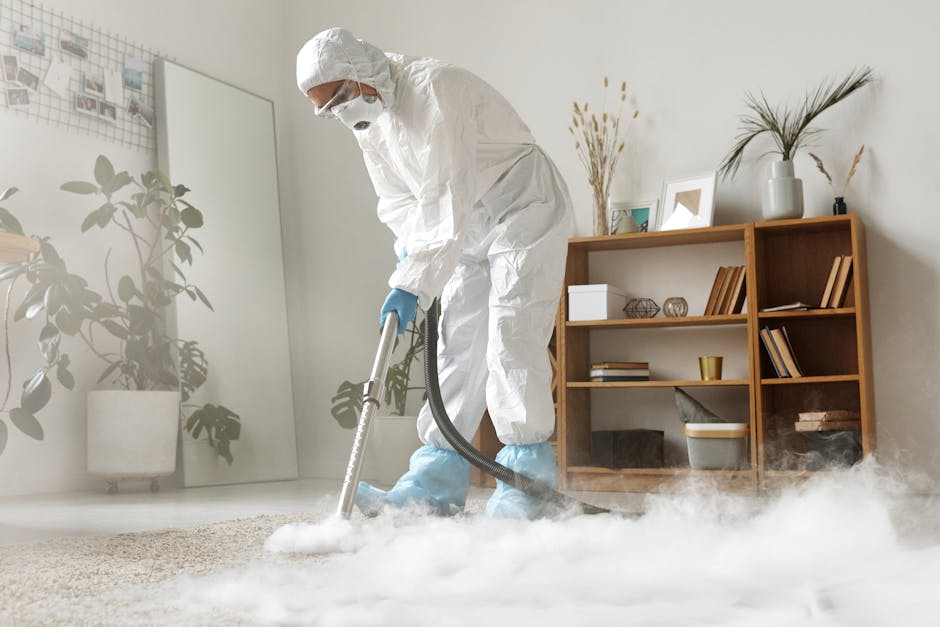
After that, the cleaner will usually use one of a few core methods. Hot water extraction is common for deep cleaning on many domestic carpets. It flushes soil from the fibres and then extracts the moisture and dirt back out. Low-moisture systems may be better for some materials, quicker drying needs, or lightly soiled spaces. Dry compounds can also have a role in certain situations, though they are not the answer for every room.
Drying is part of the job, not an afterthought. Good technicians control moisture carefully, leave the pile evenly treated, and advise on ventilation. A carpet that is technically clean but left too wet can create a new problem. Nobody wants that slightly damp, shut-window smell lingering into the next morning.
If you are booking other support at the same time, it can be useful to look at broader services such as deep cleaning or one-off cleaning for rooms that need a fuller reset after building work, a move, or a long stretch without proper attention.
Key Benefits and Practical Advantages
There is a reason people keep coming back to professional carpet cleaning rather than relying only on vacuuming. The benefits are practical, visible, and often noticeable straight away.
- Better appearance: Traffic lanes lighten, colours lift, and older carpets often regain a more even finish.
- Less trapped dirt: Proper extraction removes deep-set debris that a vacuum cannot reach.
- Improved freshness: Odours from food, pets, and everyday use are reduced rather than masked.
- Longer carpet life: Removing grit and residues helps reduce fibre wear over time.
- Better impression for guests or tenants: A freshly cleaned carpet changes how a room feels at first glance.
- More suitable for busy homes: Families, pet owners, and home workers often notice the biggest difference.
There is also a less obvious benefit: mental relief. A cleaner floor changes the room. It is a small thing, but if you have spent weeks glancing at a stubborn stain near the sofa, getting rid of it can feel oddly satisfying. A bit dramatic? Maybe. But also true.
For landlords, agents, and tenants, carpet cleaning can also support better handover standards at the end of a tenancy. If that is your situation, it may be worth looking at end of tenancy cleaning as part of the wider plan, especially where the whole property needs to present well.
Who This Is For and When It Makes Sense
Not every carpet needs specialist attention every month. But some situations really do call for it, and waiting too long usually makes the job harder.
You may need professional carpet cleaning if:
- you have visible stains that standard cleaning has not touched
- the carpet looks dull even after vacuuming
- there are pets, children, or frequent visitors in the property
- you have just moved in or are preparing to move out
- there has been a spill, leak, or food accident that soaked into the pile
- your office or reception space sees heavy foot traffic
- renovation dust has settled into the carpet after decorating or building work
Parsons Green homes often mix old and new finishes, which means carpets can be a little more varied than people expect. One room may have a hard-wearing synthetic blend, while another has a more delicate wool carpet on the stairs. In shared homes or rental properties, the threshold for calling in specialists is often lower simply because the carpet works harder.
Commercial spaces also benefit. A tidy office entrance or meeting room sends a strong message before anyone says a word. If your business space needs broader support, it may be sensible to review office cleaning alongside carpet care, so the whole environment feels consistent.
Step-by-Step Guidance
If you want to know what a sensible carpet cleaning process looks like, this is the basic flow. It is not fancy. It is just the sort of sequence that tends to produce better outcomes.
- Inspect the carpet. Check fibre type, stains, wear, and any areas that may need special treatment.
- Vacuum thoroughly. Remove loose dirt before any moisture is introduced.
- Identify spots and stains. Test and treat them carefully rather than flooding the whole area.
- Select the right method. Choose hot water extraction, low-moisture cleaning, or another suitable approach.
- Clean in sections. This keeps the job controlled and helps avoid missed patches.
- Extract moisture properly. Good extraction matters as much as the washing itself.
- Check results. Revisit any stubborn marks and make sure the finish is even.
- Ventilate the room. Encourage drying with open windows or airflow where appropriate.
Simple, really. But the devil is in the details, as people say. For example, a carpet in a busy hallway may need a different amount of pre-treatment than a bedroom rug that only gets light use. That is why specialists spend time assessing rather than rushing straight in.
Expert Tips for Better Results
Over time, a few habits make a huge difference. These are the kinds of details that separate an okay clean from a genuinely good one.
- Vacuum slowly before the clean. Quick vacuuming misses grit sitting deep in the pile.
- Do not rub stains aggressively. That usually spreads the mark or distorts the fibres.
- Blot liquids first. Absorb as much as you can before any treatment is applied.
- Ask about fibre type. Wool needs a different touch from many synthetics.
- Keep furniture moving plans in mind. Heavy items can leave marks if returned too early.
- Use ventilation wisely. Gentle airflow helps drying without overcomplicating things.
A small but important tip: if you have a stain and do not know what caused it, say so. Really. Hidden details change the treatment. A cleaner can work around an unknown spill more safely than a misidentified one. That is just common sense.
Another useful habit is to think in zones. Hallways, stairs, living rooms, and pet areas often need more frequent attention than guest bedrooms. Planning by use, not by guesswork, tends to give better value.
If your carpets sit alongside sofas or rugs, it can also make sense to coordinate the clean with sofa cleaning or rug cleaning. That way the room does not look half-finished, which happens more often than people admit.
Common Mistakes to Avoid
Some mistakes are small. Others can make a carpet look worse than before. Here are the big ones to watch for.
- Using too much water. Over-wetting can slow drying and increase the risk of residue or odour.
- Choosing on price alone. Cheap can be fine, but the cheapest option is not always the smartest one.
- Ignoring fibre sensitivity. A carpet that seems sturdy may still react badly to the wrong solution.
- Scrubbing hard at stains. That can damage the pile and push the mark deeper.
- Not asking about drying time. You need a realistic sense of when the room can be used normally again.
- Skipping a patch test on delicate areas. A quick check can prevent an expensive mistake.
One of the most common issues, honestly, is expectations. Some stains are removable, some are faded beyond recovery, and some have chemically altered the fibre. A decent specialist should tell you that plainly. Not every mark can be erased, and pretending otherwise helps nobody.
Tools, Resources and Recommendations
You do not need a warehouse of specialist gear to understand what good carpet cleaning involves, but the right tools do matter. A professional cleaner will typically rely on industrial vacuuming, pre-treatment solutions, an extraction machine or low-moisture system, and a set of hand tools for edges, steps, and spot work.
If you are checking what else a company can support, it helps to see whether they cover related household or commercial services. For example, domestic cleaning can be useful when you want the rest of the home refreshed at the same time, while house cleaning or home cleaners may be more appropriate for regular upkeep.
For heavier soil or post-renovation mess, after builders cleaning can be a sensible companion service because dust from refurb work tends to settle into fabrics and carpet fibres in the most annoying places.
Useful things to ask before booking:
- Which cleaning method will be used and why?
- How long is drying likely to take in your home or office?
- Are pre-treatments included for standard stains?
- What happens if a stain cannot be fully removed?
- Do they provide guidance on furniture movement and access?
That last point is easy to overlook, but it saves a lot of hassle. A cleaner who arrives ready to work, rather than improvising around narrow hallways or awkward stairs, tends to make the whole experience calmer for everyone.
Law, Compliance, Standards, or Best Practice
Carpet cleaning is not a heavily regulated trade in the same way some other services are, but that does not mean standards should be vague. In practice, good businesses should still work to clear expectations around insurance, health and safety, safe chemical handling, data privacy, fair complaints handling, and secure payment processes.
For customers, the most relevant point is simple: you should feel comfortable asking how a company manages safety, training, and liability. If cleaners are entering your home or workplace, you want confidence that they are insured and that their methods are sensible. It is not fussy to ask. It is sensible.
When assessing providers, look for plain-language explanations of their insurance and safety arrangements, along with clear policies on health and safety and payment and security. Good practice also includes transparent terms and conditions and a straightforward complaints procedure in case something does not go to plan.
If you care about how waste is handled, sustainability matters too. Responsible carpet cleaning should avoid wasteful product use where possible and manage wastewater carefully. If that is important to you, it is worth reviewing a company's recycling and sustainability approach.
Options, Methods, or Comparison Table
Different carpets and different situations call for different cleaning approaches. There is no single best method for every property in SW6. Here is a straightforward comparison.
| Method | Best for | Advantages | Things to watch |
|---|---|---|---|
| Hot water extraction | Deep cleaning most fitted carpets | Strong soil removal, good refresh, widely used | Needs careful drying and moisture control |
| Low-moisture cleaning | Quick turnaround rooms, moderate soil | Faster drying, less disruption | May be less powerful on heavy staining |
| Spot treatment only | Small isolated marks | Targeted and efficient | Won't revive the whole carpet |
| Combined service approach | Homes or offices needing broader cleaning | Better overall finish across rooms | Needs planning so everything is sequenced well |
For many Parsons Green households, hot water extraction is often the main choice for living rooms and hallways. But if drying time is tight, or the carpet is more delicate, a lower-moisture method can be the better call. That judgment is where a specialist earns their keep.
Case Study or Real-World Example
Here is a typical local scenario. A family in SW6 has a light-coloured living room carpet that looked fine at a distance but showed traffic shading near the sofa and a few old spill marks by the dining area. They had tried basic spot cleaners, then a rented machine, and the result was patchy. One area looked brighter; another looked, well, a bit tired still.
A specialist would normally start with an inspection, test the more vulnerable patch, and treat the obvious stains separately before a full clean. In this sort of room, the difference is often not just the stain removal. It is the overall balance. The carpet may not become brand new, because let's face it, no honest cleaner should promise that. But it can often look more even, feel fresher, and suit the room properly again.
The family tends to notice one small thing after the clean: the room smells cleaner without smelling heavily perfumed. That is often a good sign. Fresh, not artificial. And the evening light through the window makes the whole place feel calmer. Small win, but a real one.
In a nearby office, the story is different but similar in principle. Entry areas and meeting rooms gather grit quickly, especially in wet weather. A professional clean paired with office cleaners or broader office cleaning can help the whole workplace look more organised and cared for.
Practical Checklist
Before you book, or before a cleaner arrives, run through this quick list. It saves time and avoids awkward surprises.
- Identify the main carpet material if you can.
- Note any stains, spills, or odours that need attention.
- Move small items and fragile objects out of the way.
- Ask about drying time and room access afterwards.
- Check whether furniture moving is included or needs to be arranged.
- Confirm whether the service covers spot treatment as standard.
- Decide if you want rugs or upholstery done at the same visit.
- Make sure pets and children are kept away during the cleaning process.
- Open windows or plan ventilation if appropriate.
- Keep the invoice, care advice, and any aftercare notes in one place.
Quick takeaway: the best carpet cleaning results come from a mix of preparation, the right method, and realistic expectations. That combo beats guesswork every time.
Conclusion
Finding the right Fulham carpet cleaning Parsons Green SW6 specialists is less about chasing buzzwords and more about choosing people who understand carpets properly. The best service should feel careful, local, and practical. It should leave you clearer on what was done, how long it will take to dry, and what kind of result is realistic for your specific floor.
Whether you are dealing with everyday grime, a stubborn stain, a pre-tenancy tidy-up, or a busy family home that simply needs a reset, specialist carpet cleaning can make a real difference. Not dramatic wizardry. Just solid, competent work that changes how the room feels the moment you step back into it.
If you want a cleaner home or workplace without the hassle, now is a good time to explore your options, compare methods, and make a sensible plan for the rooms that matter most.
Get a free quote today and see how much you can save.
Frequently Asked Questions
How often should carpets in Parsons Green be professionally cleaned?
It depends on use. Busy family homes, pet households, and high-traffic hallways often need more frequent attention than spare rooms. A good rule is to clean when vacuuming no longer keeps the carpet looking fresh.
Will carpet cleaning remove every stain?
Not always. Some stains are old, chemically set, or have already damaged the fibre. A specialist can usually improve the appearance, but honest expectations matter more than big promises.
How long do carpets take to dry after cleaning?
Drying time varies with the method used, airflow, carpet thickness, and indoor temperature. Some carpets feel usable sooner than others, but it is wise to plan for a proper drying window rather than rushing furniture back too soon.
Is hot water extraction safe for wool carpets?
It can be, if it is carried out carefully with the right products and moisture control. Wool is more sensitive than many synthetic carpets, so the cleaner should assess the fibre before choosing the method.
Do I need to vacuum before the cleaner arrives?
If you can, yes. Removing loose dirt helps the specialist focus on embedded soil and stains. That said, a professional will usually do a thorough vacuuming step as part of the service anyway.
What should I do about furniture?
Move small, light items in advance if possible and ask whether heavy furniture can be shifted safely. It is usually better to plan this than to improvise on the day, especially on stairs or in tight rooms.
Can carpet cleaning help with pet smells?
Often, yes. Deep cleaning can reduce odours trapped in fibres, though strong or long-standing pet contamination may need extra treatment. The honest answer is that some cases are easier than others.
Is carpet cleaning worth it before moving out?
Very often, yes. Clean carpets can improve the presentation of a property and reduce issues at handover. If the whole property needs attention, pairing it with end-of-tenancy cleaning is often the smarter route.
How do I know if a carpet cleaner is trustworthy?
Look for clear explanations, sensible safety practices, transparent pricing, and accessible policies. Trustworthy companies tend to answer questions directly rather than dance around them, which is a helpful sign.
Can carpet cleaning be done alongside other services?
Absolutely. Many people combine it with sofa cleaning, rug cleaning, domestic cleaning, or office cleaning so the whole property feels consistent rather than partly refreshed.
Will cleaning make an old carpet look new?
Not new, no. But a well-cleaned older carpet can look noticeably better, smell fresher, and feel much more welcoming. That is often enough to make the room feel completely different.
What is the best next step if I am still unsure?
Start with an assessment or quote request and describe the carpet honestly: fibre type if known, visible marks, room usage, pets, and any previous cleaning attempts. A good specialist can usually guide you from there without making the process feel complicated.